Shark Watch: Raising Waves of Awareness
Have you ever spotted a “smiling shark” cruising our coastlines?
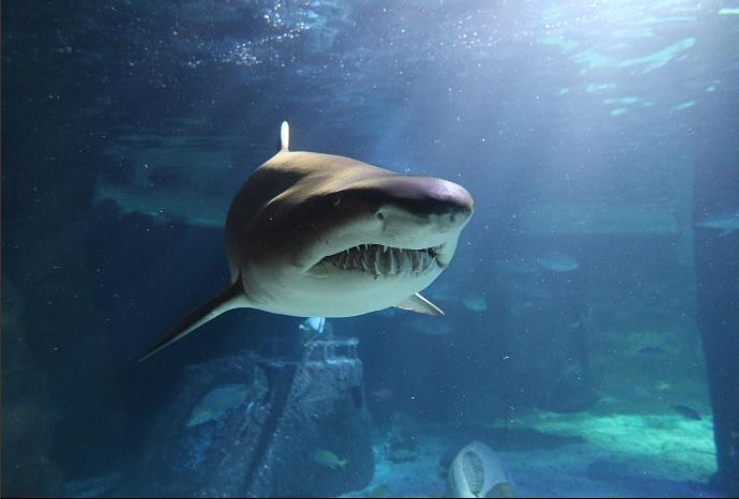
Just off the sandy shores and rocky reefs of Australia, the Grey Nurse Shark — Carcharias taurus — glides with a mouthful of needled teeth and a calm, steady presence. Unlike its more fearsome cousins, it isn’t a threat to humans, but it plays a vital role as an apex predator, keeping fish populations balanced and reef ecosystems healthy.
Researchers have found that these gentle sharks, once hunted nearly to extinction, are now slowly recovering in protected areas along the east coast, using unique buoyancy control to “hover” motionless in underwater caves and gutters. Wondering how this laid-back “teddy bear of the sea” helps sustain our marine world — and why every sighting is a sign of hope? Let’s dive into the resilient life of Carcharias taurus (hereafter referred to as C. taurus).
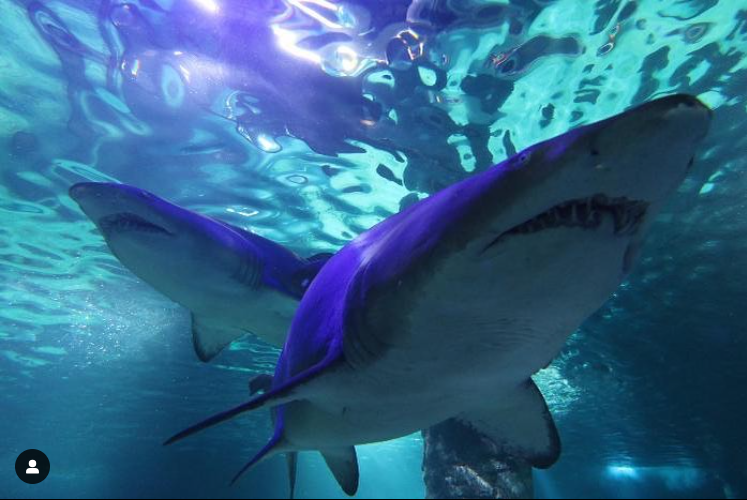
The Ultimate "Hovering" Predator
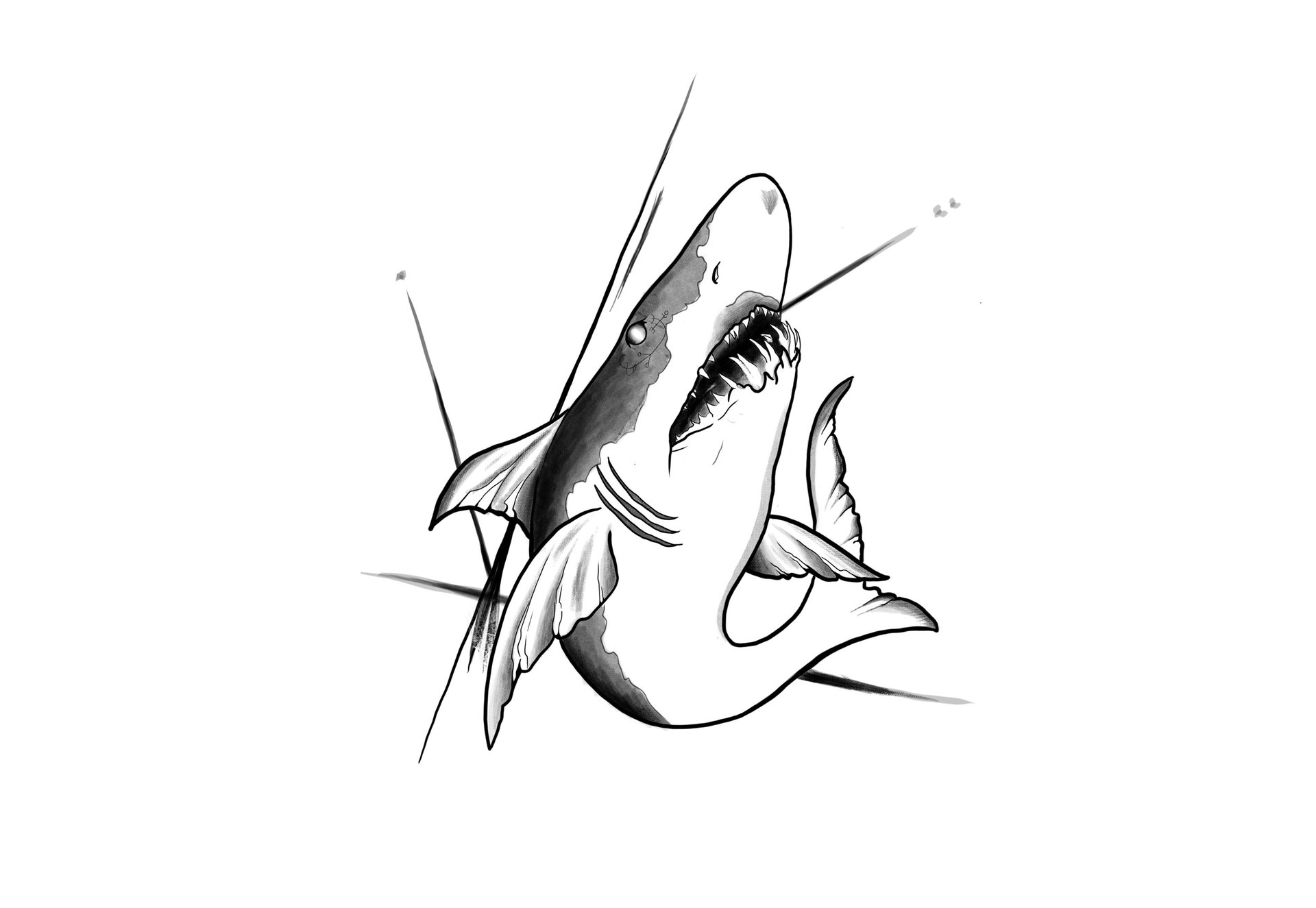
Unlike most sharks that must swim constantly to breathe, the Grey Nurse Shark has a remarkable adaptation: it can gulp air at the surface and store it in its stomach. This allows it to achieve neutral buoyancy, hovering perfectly motionless in the water column or inside rocky caves and gutters. This energy-saving trick lets it rest and ambush prey with minimal effort, a behaviour rarely seen in other sharks.
A Fierce Smile That's Mostly for Show
The Grey Nurse Shark’s most striking feature is its mouth, lined with long, pointed, needle-like teeth that protrude even when its jaws are closed, creating a permanent "snarl." Despite this fearsome appearance, it is famously non-aggressive toward humans. Those terrifying teeth are specially designed for grasping slippery, fast-moving fish like bream and flathead, not for taking large bites. There are no confirmed human fatalities from this species in Australia.
A "Cannibal" Before Birth
The reproductive strategy of the Grey Nurse Shark is one of the most extreme in the ocean. It is ovoviviparous, meaning the pups hatch from eggs inside the mother's uterus. Then, in a phenomenon called intrauterine cannibalism, the first few pups to hatch will consume their remaining unhatched siblings and fertilized eggs. Ultimately, only one or two large, well-developed pups are born per uterus after a 9-12 month gestation, giving them a significant survival advantage from their very first day.
FUN FACTS ABOUT GREY SHARKS